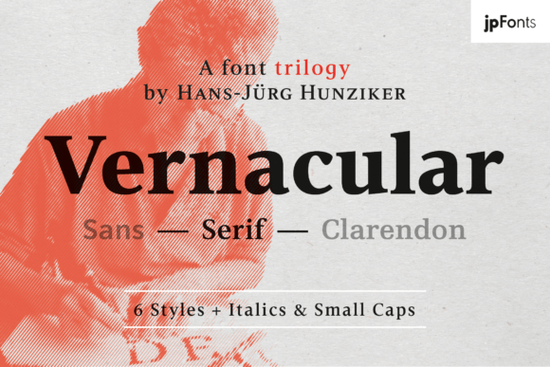
If you work with typography regularly whether for book layouts, branding, or print-on-demand products you've probably looked for a serif font that feels both classic and flexible. The Vernacular Serif Font is worth a closer look, especially if you value Swiss design precision and a full range of weights for real-world projects.
What makes the Vernacular Serif different from other serif fonts?
Most serif fonts come in a handful of weights maybe regular, bold, and italic. The Vernacular trilogy, designed by Swiss typeface expert Hans-Jürg Hunziker (who spent years working alongside Adrian Frutiger in Paris), takes a different approach. The Serif family alone includes 12 finely tuned font weights, each with its own separately drawn italic. That means you get everything from a delicate light weight for elegant body text to a heavy black weight for headlines, without any awkward gaps in between.
The design itself is a transitional Linear Antiqua think somewhere between old-style serifs and modern geometrics. It has a traditional diagonal axis and horizontal endings, which gives it a warm, readable feel for long-form content. If you've used a font like Libre Baskerville and wished it had more weight options, Vernacular Serif is a natural step up.
Who is the Vernacular Serif Font actually for?
This isn't just another pretty serif for display use. Based on the full product details, it's built for people who need serious typography across print and digital projects:
- Book and magazine designers – The 12 weights and small caps make it ideal for typesetting everything from chapter headings to footnotes.
- Brand identity designers – Because the Serif works in harmony with the Sans and Clarendon versions, you can build a full brand system from one typeface family.
- Print-on-demand sellers – Whether you're creating notebooks, posters, or greeting cards, having tabular figures, proportional figures, and old-style numbers gives you flexibility for pricing tables, dates, and decorative text.
- Creative hobbyists – If you enjoy experimenting with type for personal projects, the alternative characters (like the stylistic set 'g') let you add subtle variety without switching fonts.
How does the Vernacular Serif compare to other options in the same category?
Serif fonts are everywhere, but few offer this level of consistency across multiple styles. The Sans and Clarendon versions share a vertical axis and similar endings, while the Serif takes a more traditional diagonal approach. Yet they all feel like they belong together because of the straight stems and proportions. That's rare in typeface families usually the serif and sans versions look like distant cousins, not siblings.
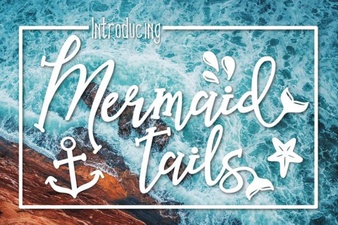
If you're comparing it to something like Mermaid Tails, those are decorative display fonts with a totally different purpose. Vernacular Serif is a workhorse you'd use it for paragraphs, not just headlines. For designers who need both display and body text in one purchase, that's a big time saver.
What practical features does this font include?
Beyond the 12 weights and italics, here's what you get out of the box:
- Tabular and proportional figures – Perfect for financial tables or product listings where numbers need to line up neatly.
- Old-style figures – These give body text a more natural, traditional rhythm, especially in book design.
- Small caps and small cap figures – Essential for acronyms, abbreviations, and elegant headers without breaking the flow.
- Alternative characters via style set – The alternate 'g' is a nice touch if you want to shift the tone slightly without changing the font.
Can you use Vernacular Serif for both print and web?
Yes the description explicitly mentions that it offers "all the options for well-kept typesetting for print and web." For small businesses or creative entrepreneurs who design both physical products and digital assets, that means one purchase covers both use cases. You're not stuck with a font that looks great in print but falls apart on screen, or vice versa.
If you want to see how it compares to a classic web-friendly serif, take a look at the Libre Baskerville font for reference. Vernacular Serif offers noticeably more weight variety and stylistic options, which is useful when you need fine control over hierarchy.
Practical next steps if you're considering this font
Before you buy, here's a quick checklist to see if Vernacular Serif fits your workflow:
- Check your project type. If you need one font that covers body text, headlines, and small caps without mixing families, this is a strong candidate.
- Look at the full trilogy. If you also need a sans or Clarendon style for your brand, the entire Vernacular family shares core proportions so they actually work together.
- Test the weight range. With 12 weights per style, you can create clear hierarchy without relying on size alone. That's especially useful for responsive web design or multi-page print layouts.
- Consider the alternative characters. If you often customize your typography for different products, the style set options give you flexibility without buying additional fonts.
- Compare with other serifs in your library. If you already own a basic serif like Mermaid Tails, think about whether you need more weight control and small caps for professional typesetting.
For designers and small business owners who treat typography as a core part of their work, the Vernacular Serif Font offers real utility not just another pretty face, but a system built for consistent, readable, and flexible typesetting across media.
Explore Design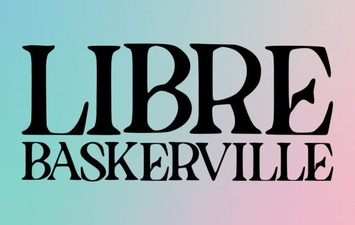 Libre Baskerville Font: Elegance for Modern Design
 Mermaid Tails Font for Creative Typography Projects
 Distinctive Black Male Typefaces for Your Designs
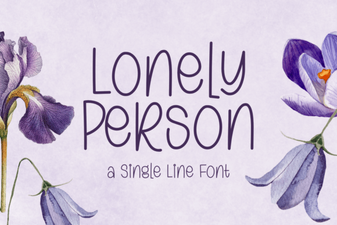 Fonts for Personal & Creative Projects
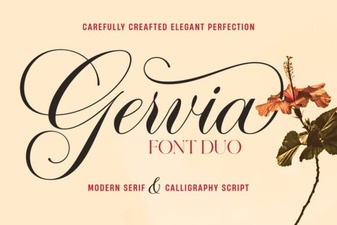 Gervia Font: a Modern Design Tool for Creatives
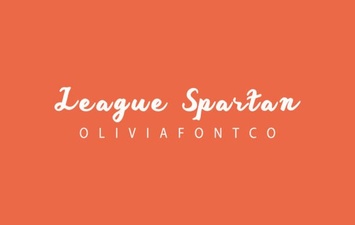 League Spartan: Modern Typography for Digital Design